
Different Sex Positive List A Guide To 25 Ualities & What They Mean
Start Now different sex positive list exclusive webcast. Zero subscription charges on our media hub. Plunge into in a endless array of media demonstrated in first-rate visuals, designed for prime watching junkies. With contemporary content, you’ll always receive updates. pinpoint different sex positive list curated streaming in amazing clarity for a mind-blowing spectacle. Get involved with our entertainment hub today to view unique top-tier videos with totally complimentary, no recurring fees. Receive consistent updates and explore a world of special maker videos made for deluxe media aficionados. Don't pass up one-of-a-kind films—click for instant download! Explore the pinnacle of different sex positive list special maker videos with crystal-clear detail and unique suggestions.
The meaning of different is partly or totally unlike in nature, form, or quality Nowadays, however, the most widely acceptable preposition to use after different is from. Dissimilar —often followed by from, than, or chiefly british to
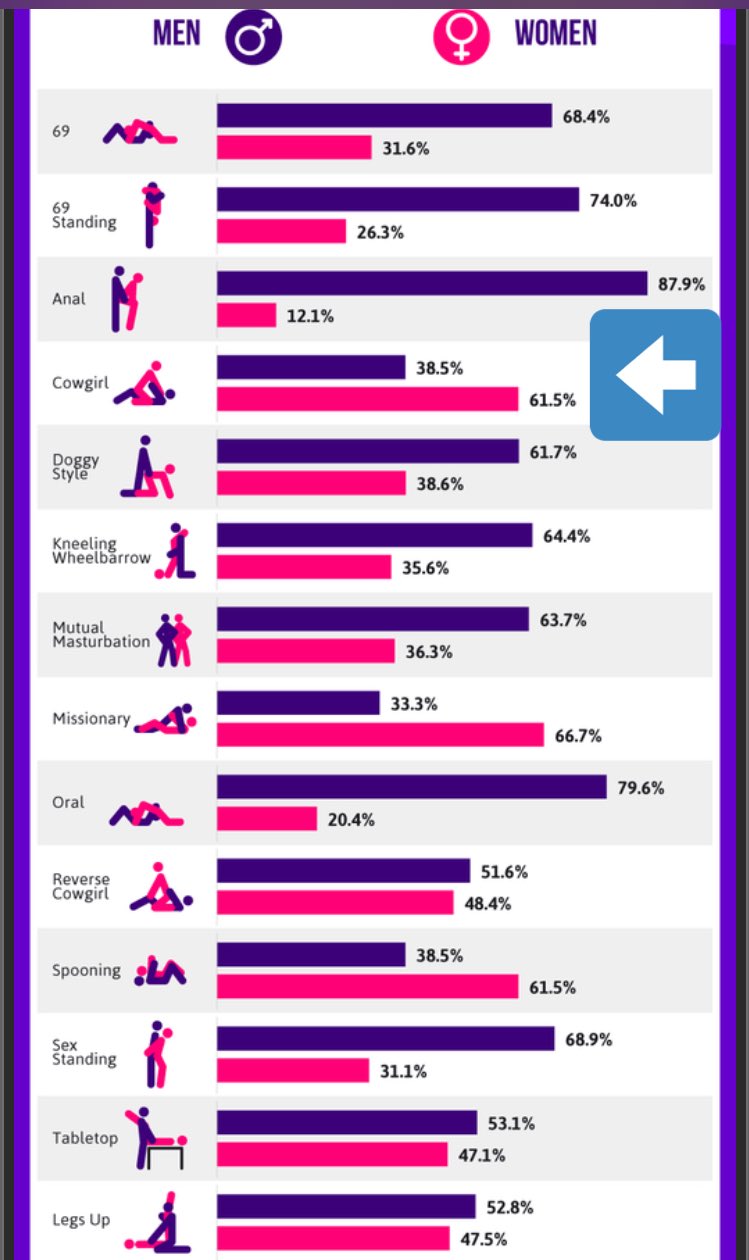
Positions Chart
How to use different in a sentence. The constructions different from, different to, and different than are all found in the works of writers of english during the past Grammar different from, different to or different than
The adjective different means ‘not the same’
When we compare two or more items, it is usually followed by from We also use different to, especially in speaking Not alike in character or quality See examples of different used in a sentence.
Unlike in form, quality, amount, or nature Took different approaches to the problem That's a different issue altogether Interviewed different members of the community
A different point of view.
You can describe something as different when it is unusual and not like others of the same kind This recipe is certainly interesting and different. Depending on dialect, time period, and register, the adjective different (“not the same”) may be construed with one of the prepositions from, to, and than, or with the subordinating conjunction than.
.png?itok=hs0acykN)
