Amber Ajami Leak Natural Organic Gemstone & Jewelry Information Gemselect
Start Today amber ajami leak curated broadcast. No wallet needed on our digital library. Explore deep in a massive assortment of themed playlists provided in 4K resolution, ideal for passionate viewing supporters. With just-released media, you’ll always know what's new. Uncover amber ajami leak selected streaming in high-fidelity visuals for a remarkably compelling viewing. Hop on board our platform today to feast your eyes on select high-quality media with no charges involved, no credit card needed. Appreciate periodic new media and journey through a landscape of original artist media conceptualized for superior media aficionados. Be certain to experience distinctive content—start your fast download! Discover the top selections of amber ajami leak unique creator videos with exquisite resolution and chosen favorites.
Amber is used in jewelry and as a healing agent in folk medicine Once resin covers a gash or break caused by chewing insects, it hardens and forms a seal. There are five classes of amber, defined on the basis of their chemical constituents
Amber: Natural Organic Amber Gemstone & Jewelry Information; GemSelect
Because it originates as a soft, sticky tree resin, amber sometimes contains animal and plant material as inclusions Resin protects trees by blocking gaps in the bark Get familiar with the different types of amber and their amazing properties
You'll see that their locations makes each of them distinct from one another.
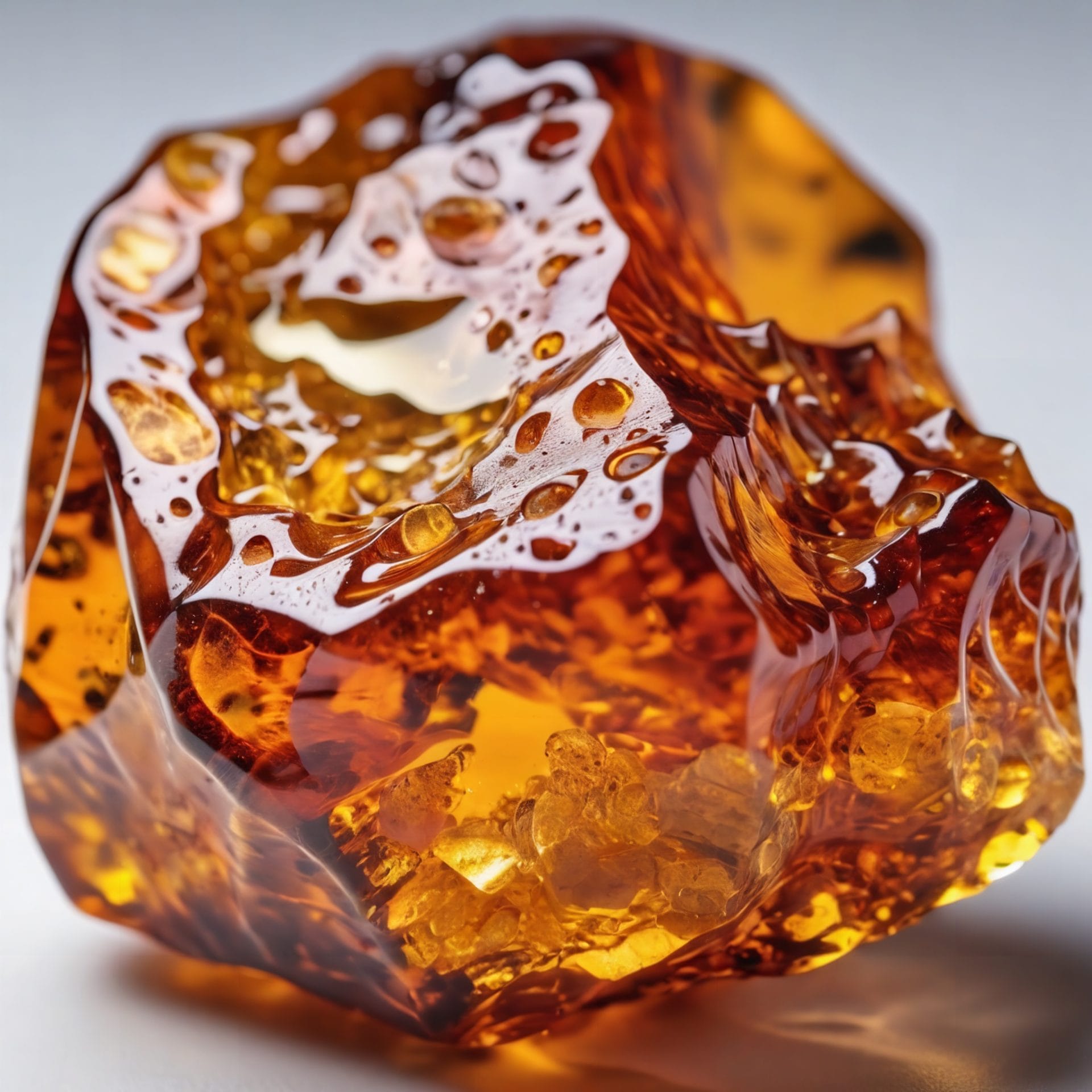
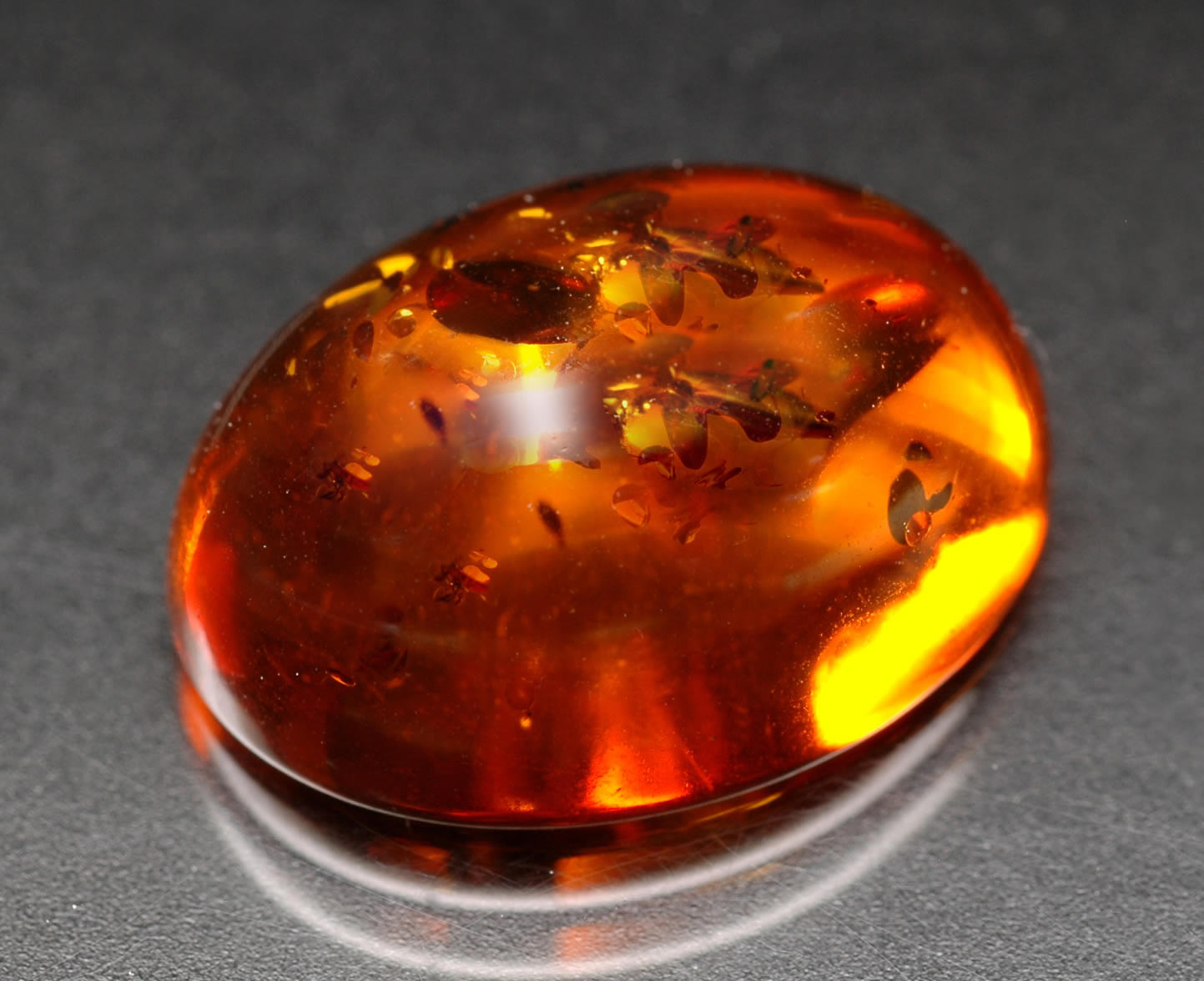
Amber, fossil tree resin that has achieved a stable state through loss of volatile constituents and chemical change after burial in the ground Amber occurs as irregular nodules, rods, or droplike shapes in all shades of yellow with nuances of orange, brown, and, rarely, red. The meaning of amber is a hard yellowish to brownish translucent fossil resin that takes a fine polish and is used chiefly in making ornamental objects (such as beads). Amber is a fossilized resin, not tree sap
Amber is formed from resin exuded from tree bark (figure 9), although it is also produced in the heartwood